Winter presents unique challenges for maintaining healthy light exposure. As days shorten and sunlight becomes scarce, many people experience decreased energy, mood changes, and disrupted sleep patterns. Understanding how to adapt your environment and routines can make all the difference.
The Winter Light Challenge
During winter months, particularly in higher latitudes, natural daylight can be limited to just 7-8 hours. This dramatic reduction affects our circadian rhythms and can trigger seasonal affective disorder (SAD) in susceptible individuals. The key is strategic adaptation.
Maximize Available Natural Light
Even limited winter sunlight is powerful. Position your workspace and breakfast area near windows. Keep curtains open throughout daylight hours. Consider trimming outdoor vegetation that blocks light. Clean windows regularly—dirt can reduce light transmission by up to 40%.
Supplement Wisely
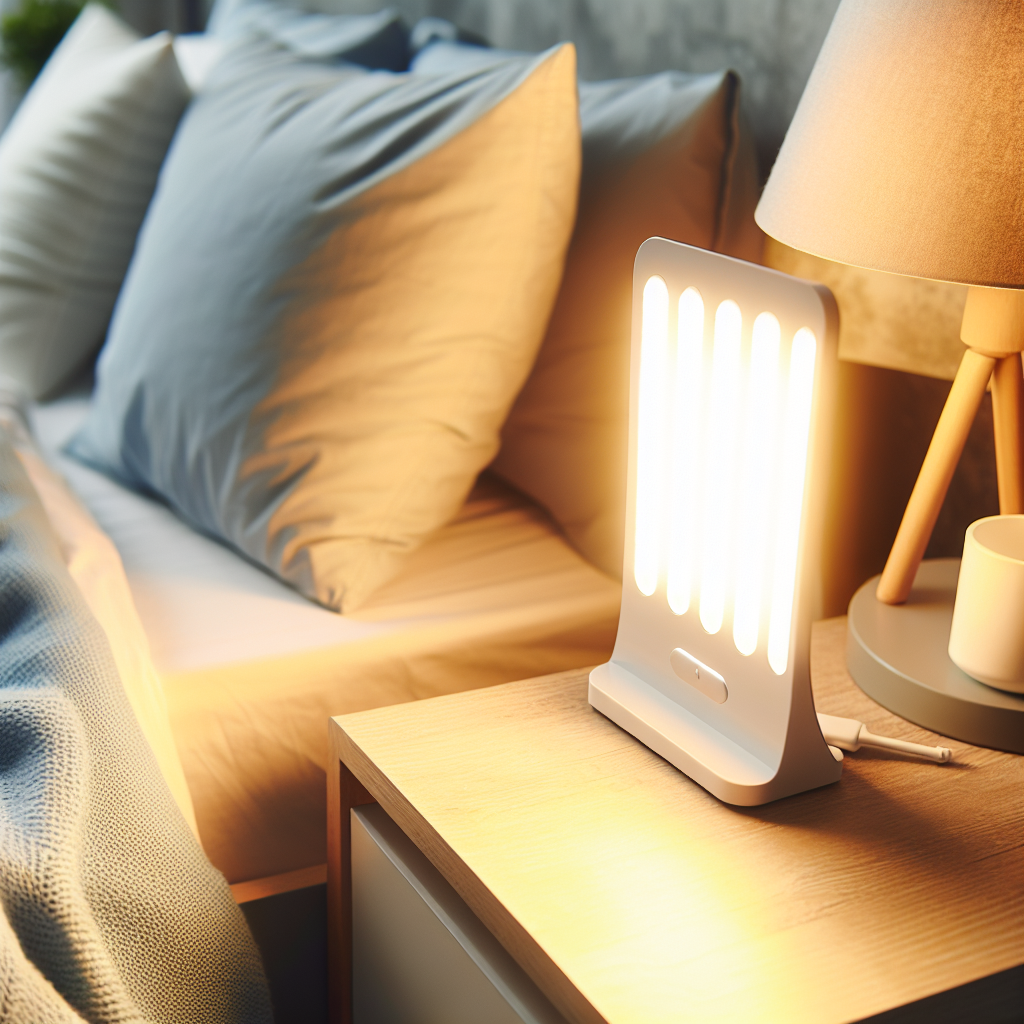
Light therapy lamps (10,000 lux) can effectively supplement natural light. Use them for 20-30 minutes in the morning, positioning the lamp at eye level about 16-24 inches away. This mimics the intensity of spring sunlight and helps maintain your circadian rhythm.
Quality matters more than duration. Focus on getting outside during the brightest part of the day, typically between 11 AM and 2 PM, even if it's cloudy. Overcast winter days still provide significant light compared to indoor environments.